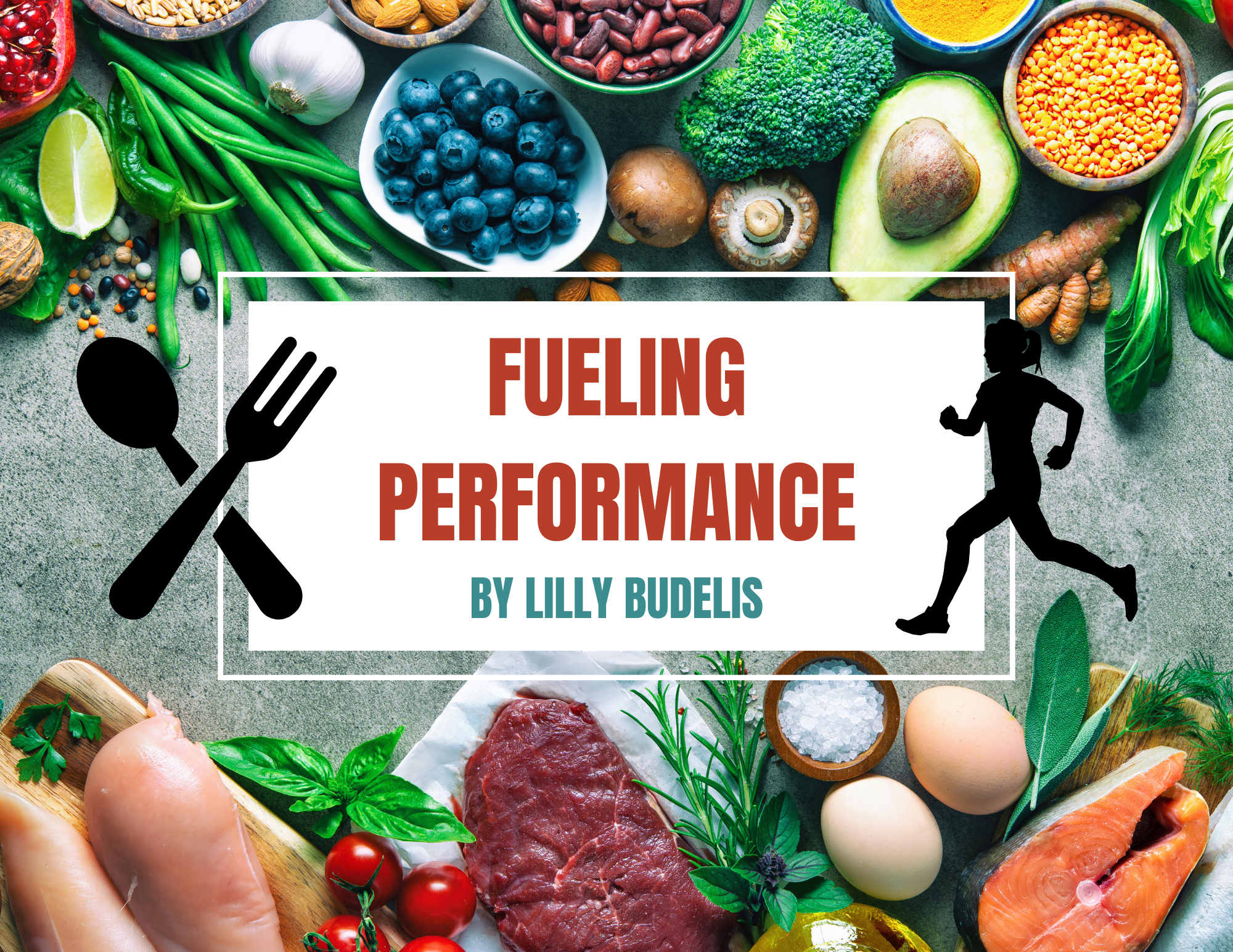
More athletes are realizing that food is more than energy, it’s fuel for performance, recovery, and success. Nutrition is a key part of health and growth for athletes. Whether it is in the gym or on the field, the food you eat is always important.
Athletes often see success through training and practice, but nutrition is just as important. The food athletes eat directly affects their endurance, strength, recovery, and focus. As sports become more competitive, many athletes are realizing that proper nutrition can improve performance both physically and mentally.
For the best results, athletes need a balance of carbohydrates, protein, healthy fats, and hydration. Carbohydrates provide energy during exercise, while protein helps repair and build muscle after workouts. Foods such as pasta, fruit, chicken, eggs, and yogurt are commonly recommended for athletes because they support energy and recovery.
Hydration is also critical for performance. Dehydration can cause fatigue, slower reaction times, dizziness, and muscle cramps. Drinking enough water before, during, and after exercise helps athletes stay safe and maintain performance during practices and games.
Nutrition can also affect athletes mentally. Balanced meals help maintain focus and energy levels. On the other hand, skipping meals or relying on unhealthy foods can lead to fatigue and poor concentration. This is especially important for student-athletes who must balance school, practice, and competitions.
To get an inside take on the effects of nutrition on athletes, I interviewed a men’s soccer player here at C. Milton Wright, Benedykt Mroz. When asked about how nutrition has impacted his athletics, Ben answered, “Once I started paying attention to what I was eating before games, I noticed a huge difference in my energy. I wasn’t getting tired as quickly late in games.” I then asked how eating healthy foods after games has helped with recovery and he replied, “Nutrition changed the way I recover after practices. Eating enough protein and staying hydrated helped my muscles feel less sore the next day.” Ben then talked a bit about how nutrition has impacted him in school as well and he said, “I used to skip breakfast before school, but once I started eating in the mornings, I felt more focused in class and during afternoon practices.”
[Insert interview with foods teacher possibly]
Although talent and hard work are essential, nutrition has become a major part of athletic success. More coaches and trainers are encouraging athletes to treat food as part of their training. In modern sports, fueling the body correctly is just as important as practice itself.